
Enhancing Quality and Access to Healthcare
North Texas Diabetes & Endocrinology of Weatherford
945 Hilltop Drive, Ste 101
Weatherford, TX 76086
CONTACT NUMBERS
Phone: (817) 458-4985
Fax: (469) 405-5441
OFFICE HOURS
Monday – Thursday: 8:00am – 5:00pm
Closed for lunch from 12:00 – 1:00pm
Friday: 8:00am – 12:00pm


Muhammad Choudhry, MD
Our Provider
Specialties
-
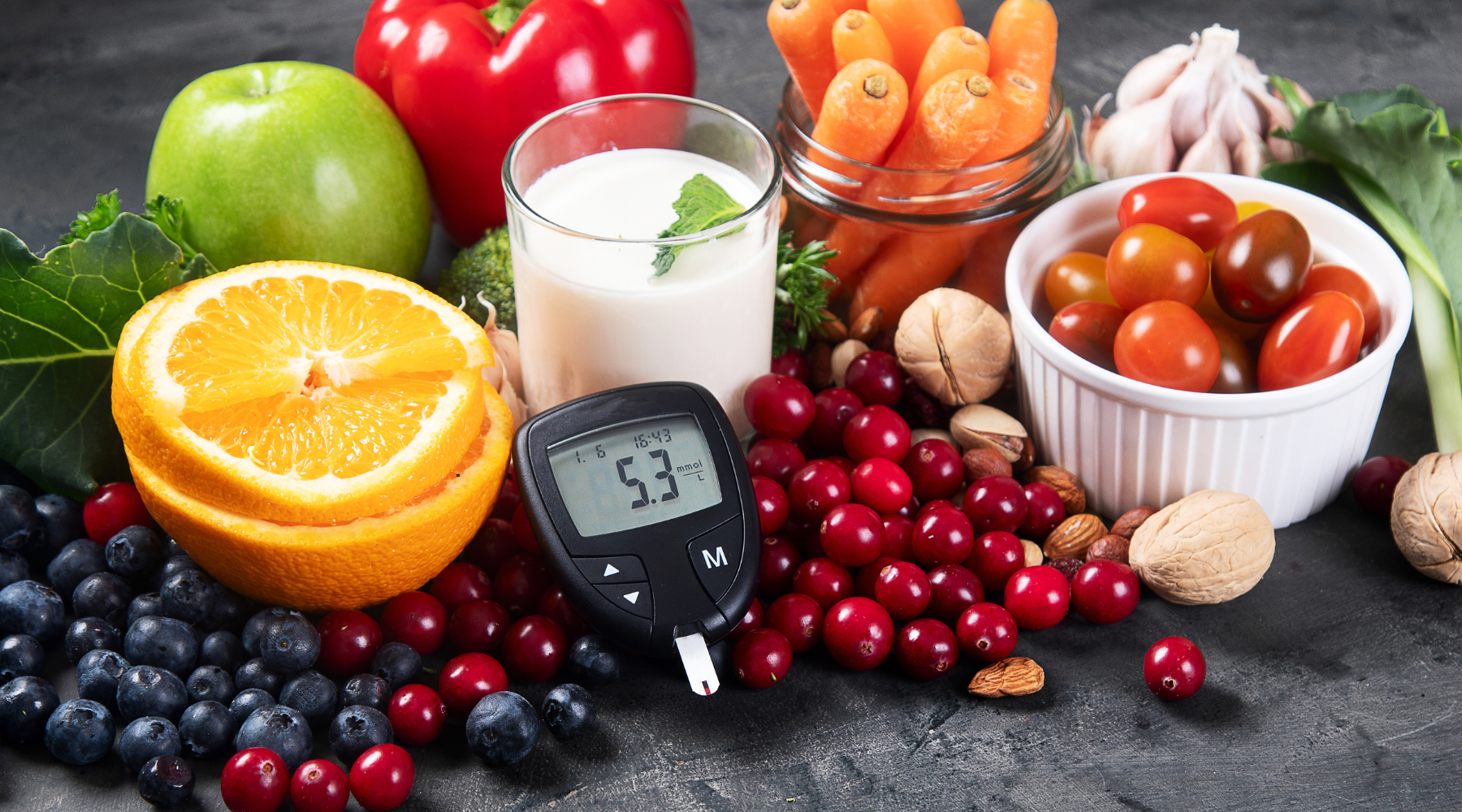
Diabetes is a chronic condition that affects how the body regulates blood sugar (glucose). Our Weatherford location treats Type 1 Diabetes and Type 2 Diabetes.
-
Hormone replacement therapy is used to restore hormone levels when the body does not produce enough on its own, helping relieve symptoms and support overall health.
Menopause Management: Estrogen and/or progesterone may be prescribed to ease hot flashes, night sweats, mood changes, and bone loss.
Low Testosterone (Hypogonadism): Testosterone therapy can help improve energy, muscle mass, mood, and sexual health in men with clinically low levels.
Thyroid Hormone Replacement: Synthetic thyroid hormone may be prescribed to treat hypothyroidism, restoring normal metabolism and energy levels.
-
Hashimoto’s disease is an autoimmune disorder in which the immune system attacks the thyroid gland, often leading to hypothyroidism (low thyroid hormone levels).
Symptoms: Fatigue, weight gain, cold intolerance, and slow metabolism.
Diagnosis: Blood tests for thyroid hormones and antibodies.
Management: Usually involves lifelong thyroid hormone replacement therapy to maintain normal hormone levels.
-
Graves’ disease is an autoimmune disorder that causes the thyroid gland to overproduce thyroid hormones, leading to hyperthyroidism.
Symptoms: Rapid heartbeat, weight loss, anxiety, tremors, and eye changes (Graves’ ophthalmopathy).
Diagnosis: Blood tests for thyroid hormone levels and thyroid-stimulating antibodies.
Management: May include medications to reduce thyroid hormone production, radioactive iodine therapy, or surgery in select cases.
-
Item description
-
Pituitary disorders occur when the pituitary gland, the “master gland” that controls many other hormone-producing glands, produces too much or too little hormone.
Hormone Overproduction: Conditions like acromegaly (excess growth hormone) or Cushing’s disease (excess ACTH leading to high cortisol).
Hormone Deficiency:Hypopituitarism can cause low thyroid, adrenal, or reproductive hormones, affecting growth, fertility, and energy.
Pituitary Tumors: Most are benign, but they can disrupt hormone balance or press on nearby structures, sometimes causing vision problems.
Because the pituitary influences so many body systems, these disorders often require specialized testing and long-term management.
-
Adrenal disorders occur when the adrenal glands, located above the kidneys, produce too much or too little of essential hormones such as cortisol, aldosterone, and adrenaline.
Adrenal Insufficiency (Addison’s Disease): The glands do not produce enough hormones, leading to fatigue, weight loss, low blood pressure, and sometimes dangerous crises.
Cushing’s Syndrome: Excess cortisol production, which can cause weight gain, high blood pressure, fragile skin, and mood changes.
Aldosterone Disorders: Too much (hyperaldosteronism) or too little (hypoaldosteronism) aldosterone affects salt balance, blood pressure, and fluid regulation.
Adrenal Tumors: Can be benign or, rarely, cancerous, sometimes causing excess hormone production.
Because adrenal hormones control stress response, metabolism, and blood pressure, imbalances can significantly affect overall health.
-
Prediabetes is a condition in which blood sugar levels are elevated above the normal range but not high enough to be classified as type 2 diabetes. It is considered an early warning sign that the body is beginning to have difficulty regulating glucose.
Risk Factors: Include overweight or obesity, sedentary lifestyle, family history of diabetes, age over 45, high blood pressure, and certain ethnic backgrounds.
Symptoms: Often silent, though some individuals may experience increased thirst, frequent urination, or fatigue.
Management: Focuses primarily on lifestyle interventions such as balanced nutrition, regular physical activity, weight loss, and stress management. In some cases, healthcare providers may prescribe medications like metformin to reduce risk of progression.
Monitoring: Regular blood glucose testing, including fasting glucose and HbA1c, helps track changes and guide interventions.
Early identification and consistent management of prediabetes can prevent or delay the onset of type 2 diabetes and reduce the risk of cardiovascular disease.
-
Hypothyroidism is a condition in which the thyroid gland does not produce enough thyroid hormones, leading to a slowing of the body’s metabolism.
Symptoms: Fatigue, weight gain, cold intolerance, constipation, dry skin, and hair thinning.
Causes: Common causes include autoimmune disorders (like Hashimoto’s disease), iodine deficiency, certain medications, and thyroid surgery.
Diagnosis: Blood tests measuring thyroid-stimulating hormone (TSH) and free thyroid hormones (T4).
Management: Typically involves lifelong thyroid hormone replacement therapy to restore normal hormone levels and relieve symptoms.
Early diagnosis and proper treatment help prevent complications and maintain overall health.